

Professional examination of moles and skin growths using a dermatoscope.

Checking moles as a preventive measure—it makes the most sense to do so early on
At BeautyLab, you'll get expert advice, clear recommendations, and peace of mind—without any unnecessary waiting.
When it comes to signs, the most important thing is not to wait
Moles can change gradually. Sometimes it’s just a normal change, but other times your skin needs to be examined by a professional. That’s exactly why it makes sense to have your moles checked even when you’re not experiencing any pain or itching and don’t feel like anything is wrong.
A dermatoscopic examination helps the doctor see the structures of a mole that are not clearly visible to the naked eye. Early screening can detect suspicious changes before the problem progresses further.
Having your moles checked doesn't have to be stressful. At BeautyLab, the process is calm and sensitive, and you'll receive expert explanations right during the exam. Dr. Javor will tell you what he sees, what's normal, and whether anything needs to be monitored further.
The goal is not to cause concern, but to give you clear answers and a sense of certainty.

It's better to check for moles early
Make an appointment at BeautyLab for a dermatoscopy—you’ll get a professional answer and peace of mind without a long wait.

What is dermatoscopy, and why isn't it enough to monitor moles at home?
Dermatoscopy is a specialized examination of moles using a dermatoscope, a special device that magnifies and illuminates skin lesions so that the doctor can see more than is visible to the naked eye.
With a dermatoscope, a dermatologist can better assess the color, shape, texture, and other characteristics of a mole or skin growth. Based on this, they will tell you whether the mole appears benign, whether it needs to be monitored, or whether they recommend further action.
Self-examination is important. It’s a good idea to look for changes in your skin, such as new moles, itching, bleeding, or changes in shape. However, neither a photo on your phone nor a glance in the mirror can replace a professional examination with a dermatoscope.
Mole Check - Dermoscopy
Professional examination of moles and skin lesions using a dermatoscope. Dr. Javor will examine any moles that concern you, as well as those you may not even notice yourself. During the examination, he will explain what he sees and advise you whether everything is normal, or whether the mole should be monitored or treated further.
We recommend having your moles checked regularly, ideally once a year. This is especially important if you have fair skin, have many moles, are frequently exposed to the sun, or have a family history of skin cancer.

Dermatology Consultation + Dermoscopy
A more comprehensive dermatological examination that includes checking moles with a dermatoscope. This is recommended if, in addition to moles, you’re also dealing with other skin issues, such as acne, eczema, redness, growths, itchy skin, or skin changes that are causing you concern.
During a single visit, we'll take a comprehensive look at your skin. The goal is for you to leave not only with a quick answer, but also with clear recommendations on what to do next.
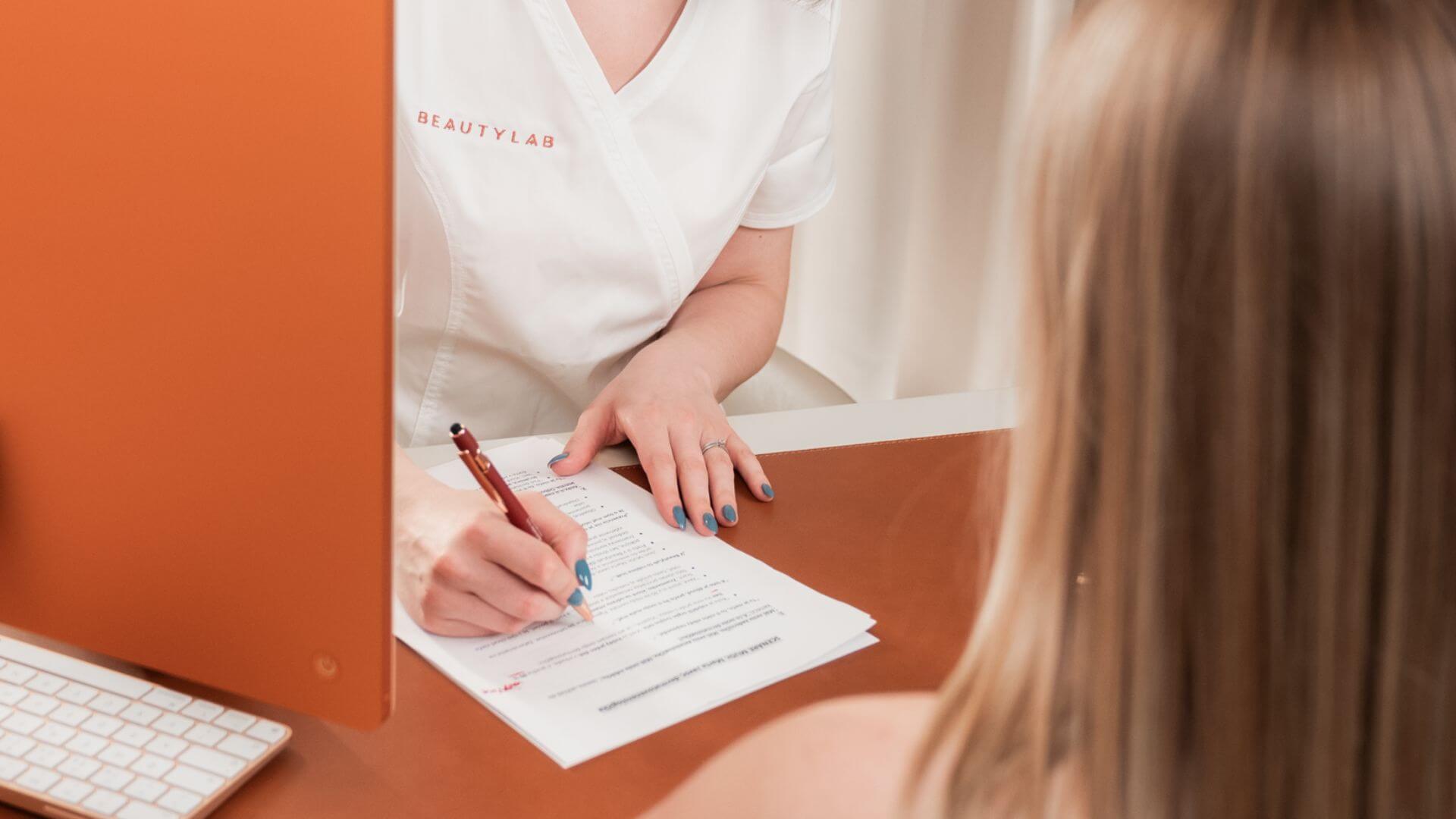
In the hands of experts who understand beauty

MUDr. Marta Javor
Dermatologist and Venereologist
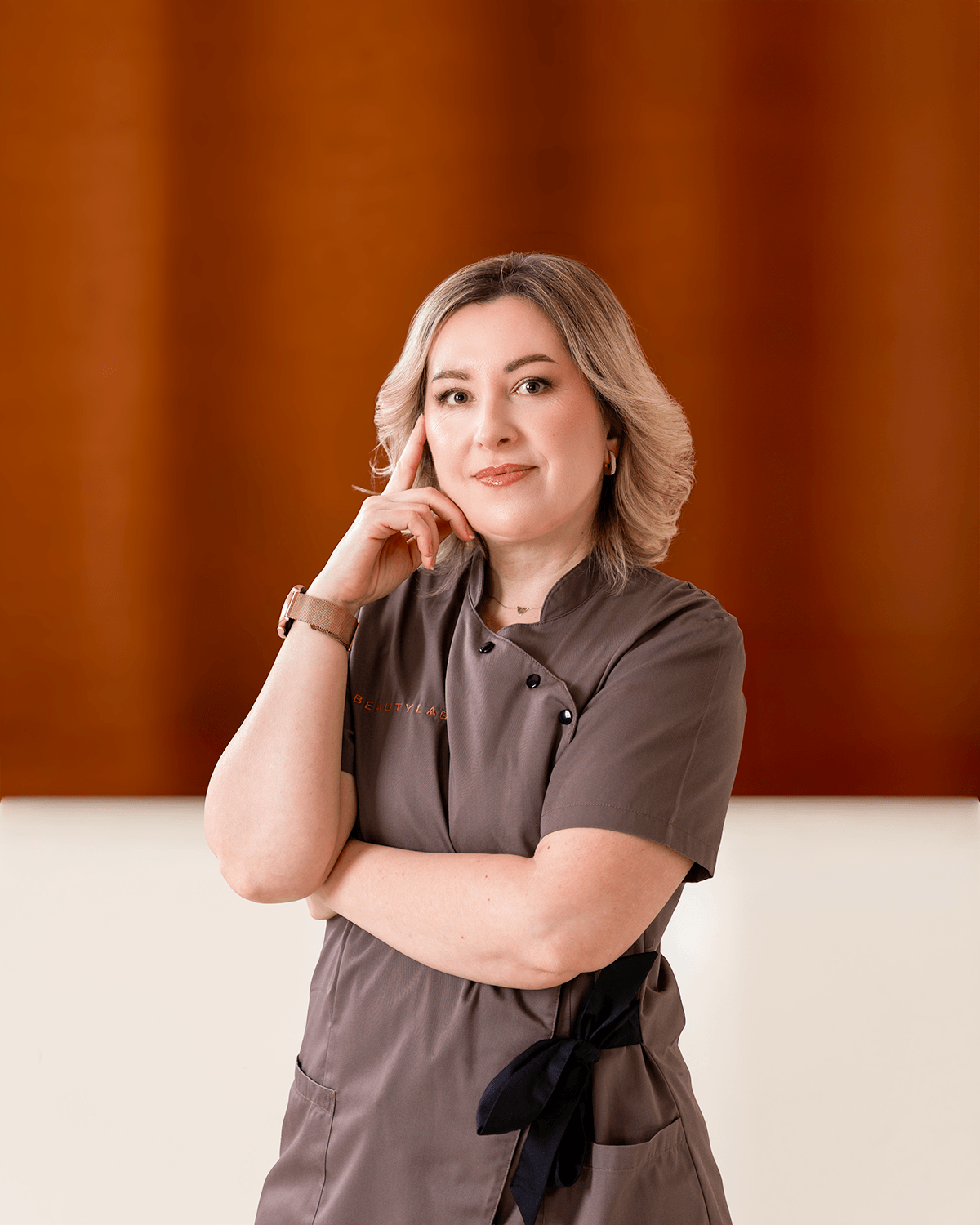
Jana PinČeková
Nurse

Bronislava Bálent
Esthederm Institute
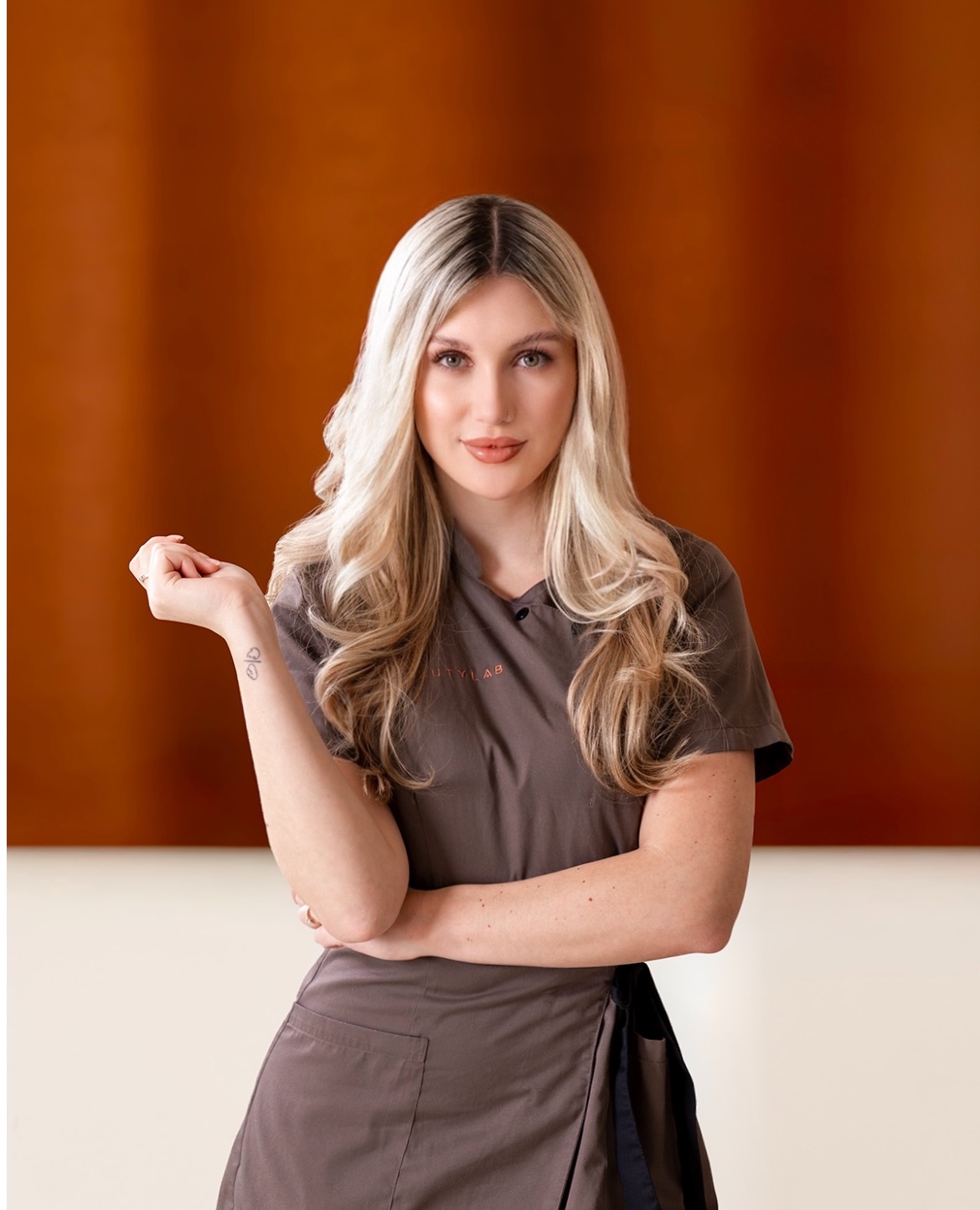
Karin Dubravay
Skin Expert

MUDr. Katarína Valentová
Aesthetic Medicine Physician

MUDr. Katarína Bieliková
Laser Medicine Specialist

MUDr. Sabina Lauková
Aesthetic Medicine Physician

MUDr. Ivana Chválna
Gynecologist | Intimate Medicine

Andrea Trnkusová
Nurse
What People Have Said About Us

Price List for Mole Checks at BeautyLab
Mole Check - Dermoscopy
|
Mole Check – Dermoscopy Time: 30 min |
60€
|

Dermatology consultation with Dr. Javor + dermatoscopy
|
Dermatology consultation with Dr. Javor + dermatoscopy
A specialized dermatological examination focused on diagnosing and treating common skin problems, including a professional examination of moles and skin growths using a dermatoscope
Time: 45 min |
100€ |

FAQ: Frequently Asked Questions About Dermoscopy
How should you prepare for a mole check?
Ideally, come to your mole check without any makeup or self-tanning lotion. During a dermatoscopic mole check, it’s important for the doctor to see your skin as naturally as possible.
What if the doctor finds a suspicious mole?
If the doctor finds a suspicious mole during a dermatoscopy, they will explain to you right then and there what they see and what next steps they recommend. This may involve regular monitoring, a follow-up visit at a shorter interval, or a recommendation for removal or further testing. When checking moles, it’s important to detect changes early, especially from the perspective of melanoma prevention.
How often should I have my moles checked?
We recommend having your moles checked approximately once a year. If you have multiple moles, fair skin, frequently get sunburned, or have a family history of melanoma, your dermatologist may recommend more frequent dermatoscopic examinations, such as every 6 months.
Do I need an exchange ticket?
No. You can schedule an appointment for a mole check at BeautyLab directly, without a referral from your primary care physician. It is a private dermatology clinic where mole examinations are performed without unnecessary waiting.
Does a dermatoscopic examination hurt?
No. Dermoscopy is a noninvasive and painless examination of moles. The doctor examines the mole with a dermatoscope—without any injections, incisions, or pain. The dermatoscope helps the doctor better assess the structure of the mole, which cannot be seen with sufficient clarity to the naked eye.
Will I find out the results of the dermatoscopy right away?
Yes. During a dermatoscopic examination of your moles, the doctor will tell you right then and there what the mole looks like and what next steps they recommend. If the mole needs to be removed or examined histologically, they will explain the next steps clearly and in a way you can understand.